
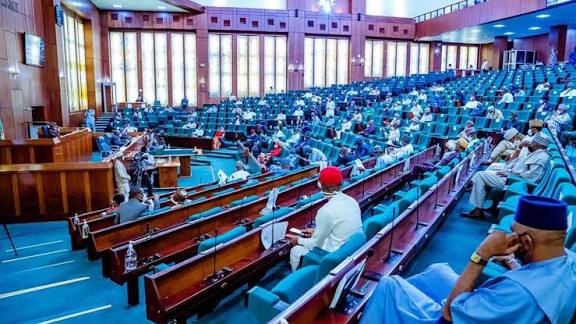
The Chairman of the Committee, Hon. Moshood Akiolu, gave the assurance on Wednesday during an event held in Abuja to commemorate the 2025 International Anti-Corruption Day.
Akiolu stated that the 10th House of Representatives, under the leadership of Speaker Tajudeen Abbas, is expanding efforts to bolster transparency, strengthen legal institutions, and enhance civic education programmes aimed at equipping young Nigerians with the knowledge and capacity to identify, resist, and report corrupt practices.
“The House is working to enhance transparency, strengthen legal frameworks, and support civic education that equips young people with the knowledge and tools to resist and report corruption,” he said.
He described corruption as a persistent obstacle to the nation’s democratic development and called for concerted efforts to eliminate it.
The Chairman of the Independent Corrupt Practices and Other Related Offences Commission (ICPC), Dr. Musa Aliyu, represented by Assistant Director Sulieman Achile, emphasized that corruption remains a major threat to Nigeria’s development and social equity. He noted that corruption undermines public institutions, diverts resources from critical national needs, and disproportionately affects young people.
“Corruption erodes public trust, diverts resources from essential services, and undermines opportunities for young people,” Aliyu stated.
On his part, the Chairman of the Code of Conduct Tribunal (CCT), Justice Mainasara Kogo, urged youths to continually acquire relevant skills, stressing that academic certificates alone are no longer sufficient in an increasingly technology-driven global economy.
“If we can bridge that missing link, our future leaders will know that they are not just future leaders of Nigeria but future leaders of the world,” he said.
Nigeria, with one of the world’s largest youth populations, continues to face systemic challenges including high unemployment, limited access to technical training, and underrepresentation in governance. These issues are exacerbated by corruption, which diverts resources intended for education, innovation, and youth development.
Despite several policy frameworks promising empowerment, inclusion, and job creation, implementation gaps have hindered progress, leaving many young Nigerians unable to access meaningful opportunities.