
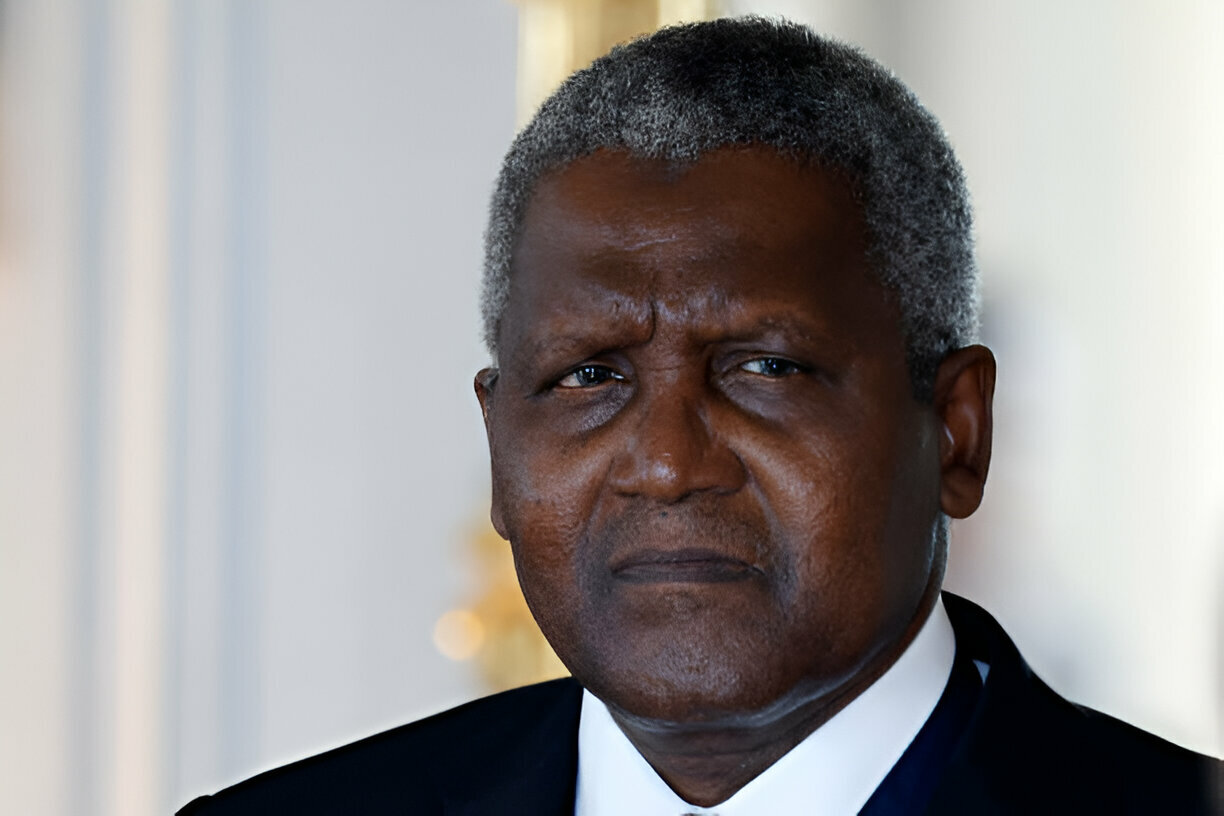
Speaking during a visit by the South South Development Commission (SSDC) to the Dangote Petroleum Refinery and Fertiliser Complex in Lagos, Dangote said the Petroleum Industry Act (PIA) provides a legal framework that prioritizes domestic crude supply. However, loopholes are routinely exploited by operators, undermining the law’s intent.
Dangote revealed that several oil companies divert Nigerian crude to their trading subsidiaries abroad, particularly in Switzerland, forcing domestic refineries to purchase at a premium of $4–$5 per barrel. “The crude is available. It is not a matter of shortage. But the companies move everything to their trading arms, and we are forced to buy at a premium. Meanwhile, we do not receive any premium for our own products,” he said.
He has formally written to the Federal Government urging that royalties and taxes be charged based on the actual price paid for crude, to prevent revenue losses and protect local refiners.
While NNPC continues to supply five to six cargoes monthly, Dangote noted that his refinery requires up to twenty cargoes per month to operate optimally. He described the current situation as “unsustainable for a country intent on genuine industrial growth,” emphasizing that Africa’s economic future depends on value addition rather than perpetual raw material export.
Dangote criticized the import of petroleum products despite local production, describing it as “dumping,” and highlighted that the refinery supplied only 17.08 million litres of the 56.74 million litres consumed in October 2025, blaming regulators for allowing imports to continue.
The Dangote Refinery has pledged to supply 50 million litres of petrol daily during the Yuletide period, totaling 1.5 billion litres in December 2025 and another 1.5 billion litres in January 2026. Dangote praised President Bola Tinubu’s Nigeria First Policy, stressing the need for stronger legislative backing.
He concluded that Nigeria can achieve its one trillion-dollar economy target through disciplined policy execution, improved power generation, and revival of the steel sector.